What Is Tiki Culture and Where Does It Come From?
- Bongo Ben

- Dec 1, 2025
- 6 min read
Picture this: you're at a backyard barbecue, someone mentions they're "into tiki," and suddenly half the group is nodding knowingly while the other half looks confused. Are we talking about those wooden statues? Hawaiian shirts? That bar downtown with the flaming drinks?
If you've ever found yourself in that second group, you're not alone. Tiki culture is one of those fascinating American phenomena that's both everywhere and mysteriously undefined. As someone who's spent countless evenings perfecting Mai Tais and arguing about the "correct" way to flame a lemon peel, I can tell you that understanding tiki is like peeling back layers of a very tropical onion.
The Real Deal: Where Tiki Actually Comes From
Let's start with the real stuff. The word "tiki" comes from ancient Polynesian culture, where carved wooden or greenstone figures represented gods and spiritual guardians. These weren't decorations: they were sacred objects with deep meaning. In Maori mythology, Tiki was literally the first man on Earth. Hawaiian legends tell of Ku, the god of heaven, who created the first tiki from clay and breathed life into it, making it the first human being.
These original tikis symbolized the connection between humanity and nature, between the earthly and divine. They had piercing eyes and distinctive facial expressions that were meant to ward off evil spirits and bring good fortune. Pretty heavy stuff for what most of us now associate with vacation vibes and tropical drinks.

“Hawaiian Tiki Carving.” Credit: Wikimedia Commons - Hawaiian Hall Akua Ki‘i (CC BY-SA 2.0)
How Tiki Went Hollywood (And Never Left)
Here's where it gets interesting. Modern tiki culture? It's about as authentically Polynesian as pineapple on pizza is Italian. And that's not necessarily a bad thing: it's just important to understand what we're actually talking about.
The whole American tiki phenomenon started with a guy named Ernest Gantt, who later changed his name to Don the Beachcomber (because of course he did). In 1934, this former bootlegger opened the first tiki-themed restaurant in Hollywood. Picture this: it's the Great Depression, people are stressed, and suddenly there's this place serving exotic rum cocktails in a tropical paradise setting, complete with flaming torches and bamboo everything.
Don wasn't trying to recreate authentic Polynesian culture: he was creating an escape. His clientele included Howard Hughes, the Marx Brothers, and Charlie Chaplin. These weren't anthropologists looking for cultural education; they were Hollywood stars looking for somewhere to forget their problems with a strong drink and some theatrical atmosphere.

“Raiatea (Society Islands) tiki at Marae Taputapuatea.” Credit: Wikimedia Commons - Taputapu marae, Raiatea (CC BY-SA 4.0)
Enter Trader Vic and the Birth of Competition
Not to be outdone, Victor Bergeron opened Trader Vic's in Oakland around the same time. While Don the Beachcomber focused on Hollywood glamour, Trader Vic took a slightly different approach, mixing Polynesian themes with Chinese cuisine and creating what would become some of the most famous tiki cocktails ever made.
The rivalry between these two establishments wasn't just business: it was personal. Both claimed to have invented the Mai Tai (spoiler alert: it was probably Trader Vic in 1944), and both spent decades perfecting increasingly complex rum-based cocktails that required ingredients most home bartenders had never heard of.

“Marquesas Islands ancestor figure, 1800–20.” Credit: Wikimedia Commons - Marquesas Ancestor Figure (CC BY-SA 4.0)
What Makes Something "Tiki"?
If you're wondering what actually defines tiki culture, it's a combination of several key elements that work together to create that unmistakable atmosphere:
The Drinks: This is where tiki really shines. We're talking about complex, layered cocktails that often require multiple types of rum, orgeat syrup, passion fruit, and techniques like "floating" darker rums on top. A proper Mai Tai isn't just rum and pineapple juice: it's a carefully balanced symphony of flavors that can take years to perfect.
The Mugs: Tiki mugs aren't just vessels; they're part of the experience. These ceramic works of art often feature carved faces, tropical motifs, or characters from Polynesian mythology. Serious collectors can spend thousands on rare vintage mugs, and there's something undeniably satisfying about sipping a Zombie from an authentic tiki vessel.
The Atmosphere: Bamboo, thatch, carved wood, fishing nets, and lots of ambient lighting create that "tropical hideaway" feeling. The best tiki bars transport you somewhere else entirely: you walk in from a busy city street and suddenly you're in a Polynesian hut.
The Escapism: This might be the most important element. Tiki culture has always been about temporary escape from everyday reality. It's theater, it's fantasy, and it's permission to pretend you're somewhere warm and exotic, even if you're in the middle of winter in Ohio.
Let's Talk About the Elephant in the Room
Now, here's where things get a bit complicated, and it's worth addressing head-on: cultural appropriation. Modern tiki culture has been criticized for taking sacred symbols and spiritual elements from Polynesian cultures and turning them into entertainment and profit.
This criticism isn't without merit. When Don the Beachcomber and Trader Vic were creating their tropical fantasies, they weren't consulting with Polynesian communities or trying to honor the original cultural context. They were creating what appealed to American customers' ideas of "exotic" culture.
The key is understanding the difference between appreciation and appropriation, and approaching tiki culture with respect for its origins. Many modern tiki enthusiasts make an effort to learn about actual Polynesian history and culture, support Pacific Islander businesses, and acknowledge that what they're enjoying is a fantasy inspired by, rather than representative of, real cultures.

“Marquesan tiki detail.” Credit: Wikimedia Commons - Joseph Kimitete Sculpture Detail (CC BY-SA 4.0)
The Evolution: From Fad to Underground to Revival
Tiki culture hit its mainstream peak in the 1950s and 60s, when Hawaiian statehood and jet travel made the Pacific islands feel more accessible to average Americans. Tiki bars popped up everywhere, Hawaiian shirts became acceptable casual wear, and everyone wanted a piece of that tropical lifestyle.
But like most fads, it eventually faded. By the 1970s and 80s, tiki was seen as kitschy and outdated. Bars closed, recipes were lost, and tiki mugs ended up in garage sales.
Then something interesting happened around 2000. A historian named Sven Kirsten published "The Book of Tiki," which documented the history and cultural significance of the movement. Suddenly, there was a new generation of enthusiasts who appreciated tiki not just as escapism, but as a legitimate piece of American cultural history.
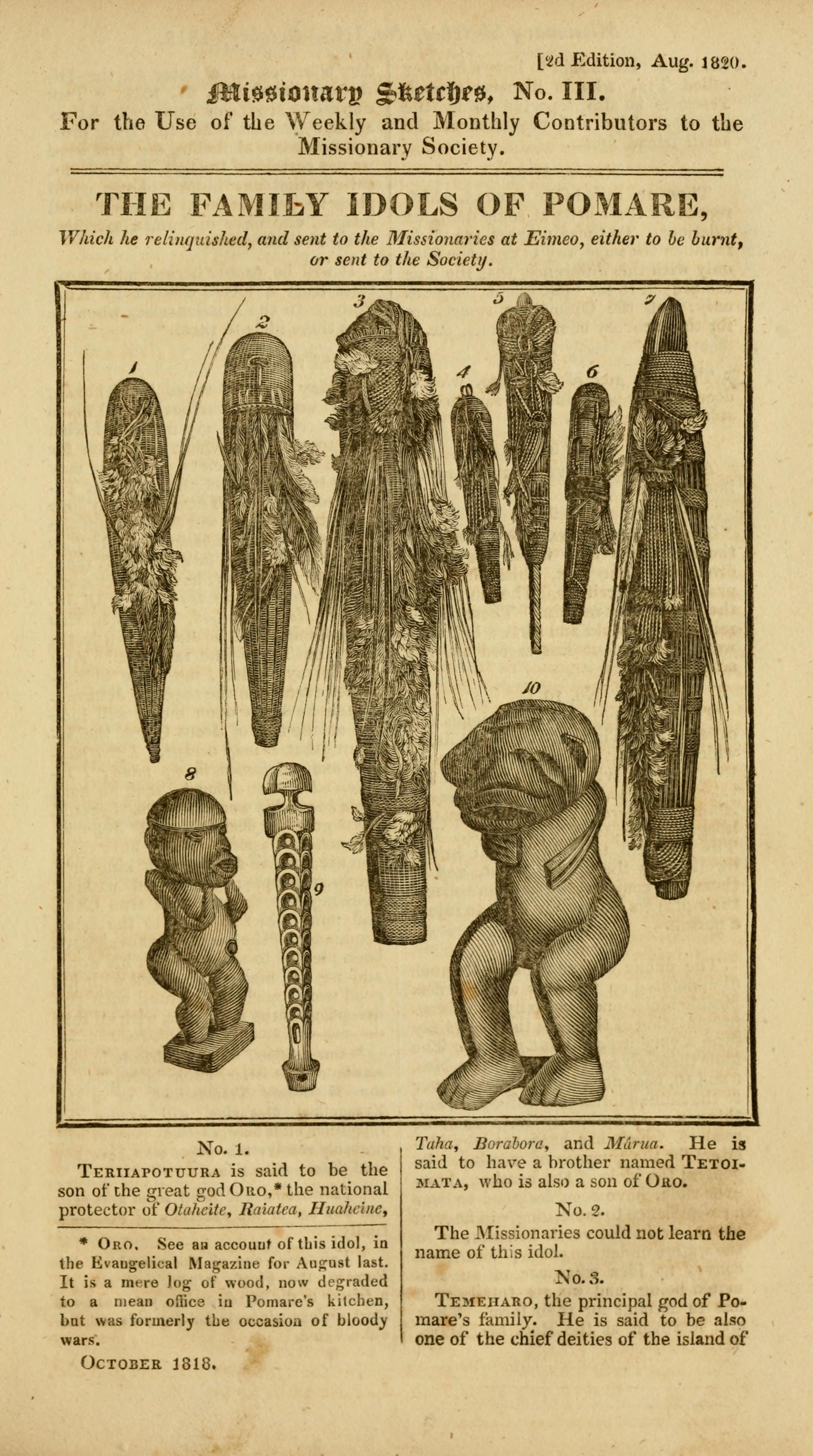
“Family Idols of Pomare, Tahiti (c.1818).” Credit: Wikimedia Commons - Family Idols of Pomare (Public Domain)
Modern Tiki: Craft Cocktails Meet Tropical Dreams
Today's tiki revival is different from the original movement. Modern tiki bars often focus on craft cocktail techniques, using high-quality rums and fresh ingredients. Bartenders study the classic recipes like academic texts, perfecting the balance of flavors that made drinks like the Navy Grog and Painkiller legendary.
There's also a strong community aspect to modern tiki culture. Enthusiasts share recipes online, attend tiki conventions, and trade vintage mugs with the passion of wine collectors. It's become a hobby that rewards both craftsmanship and knowledge.
For those of us in our 40s and 50s, tiki culture offers something unique: it's nostalgic without being dated, exotic without requiring a passport, and social without being pretentious. It's a way to exercise creativity in the kitchen (or home bar), learn about history, and create experiences that transport friends and family somewhere special.
The Appeal of Controlled Escapism
What makes tiki culture particularly appealing to our demographic is its mature approach to escapism. We're not looking to escape reality permanently: we've got mortgages, kids, and responsibilities. But there's something deeply satisfying about spending a Saturday afternoon perfecting a Scorpion Bowl recipe or hunting down the perfect vintage mug.
It's escapism with craftsmanship. It's fantasy with history. And it's a reminder that sometimes the best way to deal with the complexities of modern life is to spend an evening pretending you're on a tropical island, even if that island exists only in your living room.
Tiki culture today represents something uniquely American: our ability to take inspiration from around the world, blend it with our own creativity and ingenuity, and create something entirely new. It's not authentic Polynesian culture: it never was. But it's authentic American imagination, and there's something valuable in that distinction.
Whether you're drawn to the complex cocktails, the artistic mugs, the theatrical atmosphere, or simply the permission to wear a Hawaiian shirt without irony, tiki culture offers a slice of tropical paradise that's always within reach. And in a world that often feels increasingly complicated, sometimes that's exactly what we need.
Comments